Solution:
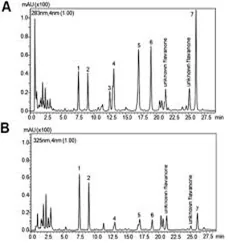
An AI-based vision model was implemented to automate the peak detection and integration process. The AI system learned from a large set of chromatogram data and was able to identify peaks with high accuracy and efficiency. Integrated into existing HPLC systems, it reduced reliance on manual intervention.
Implementation
The AI solution was deployed over a 3-month period, integrating seamlessly with the company’s HPLC software. Training sessions were conducted for QA staff to ensure smooth adoption. Data scientists collaborated with the company’s QA team to refine the model for optimal performance and regulatory compliance.
Results and Outcomes
The AI system reduced peak detection time from 4 hours to just 30 minutes per sample, a 90% reduction in processing time. Accuracy improved by 15%, and QA timelines were significantly shortened, leading to faster drug release cycles and increased competitiveness in the market.
Challenges and Lessons Learned
Normal
0
false
false
false
EN-IN
X-NONE
X-NONE
/* Style Definitions */
table.MsoNormalTable
{mso-style-name:"Table Normal";
mso-tstyle-rowband-size:0;
mso-tstyle-colband-size:0;
mso-style-noshow:yes;
mso-style-priority:99;
mso-style-parent:"";
mso-padding-alt:0in 5.4pt 0in 5.4pt;
mso-para-margin-top:0in;
mso-para-margin-right:0in;
mso-para-margin-bottom:8.0pt;
mso-para-margin-left:0in;
line-height:115%;
mso-pagination:widow-orphan;
font-size:12.0pt;
font-family:"Aptos","sans-serif";
mso-ascii-font-family:Aptos;
mso-ascii-theme-font:minor-latin;
mso-hansi-font-family:Aptos;
mso-hansi-theme-font:minor-latin;
mso-font-kerning:1.0pt;
mso-ligatures:standardcontextual;
mso-fareast-language:EN-US;}
Initial challenges included training the AI model with diverse chromatogram data and ensuring compliance with regulatory standards. The project highlighted the importance of continuous validation and system optimization.
Conclusion
Normal
0
false
false
false
EN-IN
X-NONE
X-NONE
/* Style Definitions */
table.MsoNormalTable
{mso-style-name:"Table Normal";
mso-tstyle-rowband-size:0;
mso-tstyle-colband-size:0;
mso-style-noshow:yes;
mso-style-priority:99;
mso-style-parent:"";
mso-padding-alt:0in 5.4pt 0in 5.4pt;
mso-para-margin-top:0in;
mso-para-margin-right:0in;
mso-para-margin-bottom:8.0pt;
mso-para-margin-left:0in;
line-height:115%;
mso-pagination:widow-orphan;
font-size:12.0pt;
font-family:"Aptos","sans-serif";
mso-ascii-font-family:Aptos;
mso-ascii-theme-font:minor-latin;
mso-hansi-font-family:Aptos;
mso-hansi-theme-font:minor-latin;
mso-font-kerning:1.0pt;
mso-ligatures:standardcontextual;
mso-fareast-language:EN-US;}
The AI-powered peak detection and integration solution revolutionized the company’s QA processes, reducing timelines and improving product quality. Looking ahead, the company plans to expand AI applications to other areas of drug testing, further improving efficiency across its operations.
Future Recommendations
Future steps include expanding the AI solution to other QA processes and exploring predictive capabilities for potential chromatogram issues. Scaling the technology globally across multiple facilities is also a key priority.